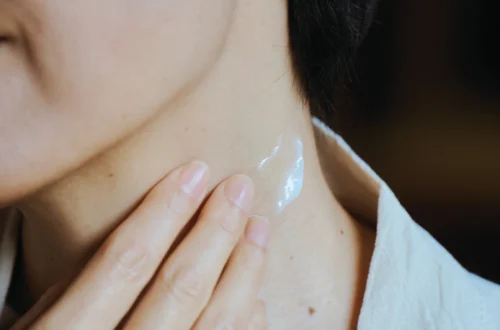

The term “beauty sleep” has been thrown around for decades, but only recently has science caught up to validate what our grandmothers always knew: what happens during the night profoundly impacts how your skin looks and feels. Yet somewhere between this wisdom and modern beauty culture, nighttime skincare became unnecessarily complicated—elaborate multi-step rituals that feel more like homework than self-care.
Skincare experts like Charlotte Palermino, founder of Dieux Skin and a trusted voice in evidence-based beauty, are championing a different approach: strategic simplicity. The goal isn’t to do more; it’s to do what actually works. Understanding the science of nighttime skin repair empowers you to build a routine that supports your skin’s natural processes without overwhelming it—or your schedule.
The Science of Nighttime Skin Repair
While you sleep, your skin shifts into overdrive repair mode. This isn’t metaphorical—measurable biological processes accelerate dramatically during sleep hours. Cell turnover increases, with skin producing new cells up to three times faster at night than during the day. Growth hormone secretion peaks during deep sleep stages, stimulating cell regeneration and collagen synthesis that maintain skin’s firmness and elasticity.
Blood flow to the skin increases at night, delivering more oxygen and nutrients while efficiently removing toxins and metabolic waste products. The skin’s permeability also increases, meaning it absorbs active ingredients more effectively during nighttime hours. This is why dermatologists often recommend using potent treatments like retinoids and prescription actives before bed—your skin is primed to receive and utilize them.
Importantly, your skin isn’t fighting environmental stressors at night. Without UV exposure, pollution, or makeup weighing it down, skin can focus entirely on restoration. Understanding this biology reveals why nighttime routines deserve attention—not because they need to be elaborate, but because this window offers maximum impact for strategic treatments.
The Foundation: Cleansing
The single most important step in any nighttime routine is thorough cleansing. Charlotte Palermino emphasizes this repeatedly: going to sleep with the day’s accumulation of makeup, sunscreen, sebum, pollution, and debris prevents everything that follows. No serum or treatment can work effectively on unclean skin, and leaving pores congested overnight accelerates aging and breakouts.
For most people, double cleansing remains the gold standard. Start with an oil-based cleanser or micellar water to dissolve makeup, sunscreen, and sebum—substances that water alone cannot remove. Follow with a gentle water-based cleanser to remove any remaining residue and refresh the skin. This two-step process ensures genuinely clean skin without stripping or irritating it.
The key word here is gentle. Your nighttime cleanser shouldn’t leave your skin feeling tight, squeaky, or uncomfortable. That stripped feeling indicates you’ve damaged your skin barrier—the opposite of what you want before applying treatment products. Look for cleansers with a slightly acidic pH (around 5.5) that respect your skin’s natural balance.
Strategic Treatments: Less Is More
Here’s where nighttime routines often go wrong: layering too many active ingredients that either cancel each other out or overwhelm the skin. Dermatologists consistently advocate for simplicity in actives—choose one or two targeted treatments based on your primary concerns rather than trying to address everything simultaneously.
For anti-aging and skin texture, retinoids remain the gold standard. These vitamin A derivatives increase cell turnover, boost collagen production, and improve everything from fine lines to acne. Start slowly—once or twice weekly—and gradually increase frequency as your skin builds tolerance. Apply to completely dry skin (waiting 15-20 minutes after cleansing minimizes irritation) and always follow with moisturizer.
For hyperpigmentation and brightening, consider ingredients like niacinamide, alpha arbutin, or azelaic acid. These work gently over time to even skin tone and fade dark spots without the potential irritation of some other brightening agents.
If your skin is sensitive, compromised, or you’re already using retinoids, your “treatment” might simply be a rich, barrier-supporting moisturizer. This isn’t boring or ineffective—barrier repair is crucial for healthy skin, and not every routine needs aggressive actives. Focus on ingredients like ceramides, cholesterol, and fatty acids that reinforce your skin’s protective barrier.
Overnight Masks: Worth the Hype?
Overnight masks have become increasingly popular, and dermatologists generally agree they serve a valuable purpose—but not necessarily every night. Think of overnight masks as intensive treatments rather than daily essentials. These occlusive formulas create a seal over your skin, preventing transepidermal water loss and allowing active ingredients to penetrate deeply.
Barrier-repair overnight masks containing ceramides, hyaluronic acid, and squalane work beautifully for dehydrated or compromised skin. Use them when your skin feels particularly dry, after actives like retinol, or during harsh weather that stresses your barrier. Sleeping masks with gentle actives like lactic acid or bakuchiol offer treatment benefits without the commitment of daily use.
The mistake people make is using occlusive overnight masks every night, particularly over heavy treatment products. This can lead to congestion, especially for oily or acne-prone skin. Use overnight masks strategically—one to three times weekly depending on your skin’s needs—rather than as a nightly step.
The Sleep Environment Matters
Your nighttime routine extends beyond products to your actual sleep environment. These factors genuinely impact your skin overnight, and unlike complicated skincare routines, they’re relatively simple to optimize.
Silk or satin pillowcases have moved from luxury to legitimate skincare tool. Cotton pillowcases create friction that can cause sleep lines, skin irritation, and hair breakage. Silk’s smooth surface allows your skin to glide rather than drag, reducing the formation of sleep creases that can become permanent wrinkles over time. Silk is also less absorbent than cotton, meaning it won’t wick moisture and expensive serums away from your skin into the fabric.
Room temperature affects skin overnight. Sleeping in overly warm rooms increases transepidermal water loss and can trigger inflammation, while rooms that are too cold may disrupt the deep sleep stages crucial for skin repair. Aim for 65-68°F—cool enough to promote deep sleep but not so cold it’s uncomfortable.
Consider a humidifier, especially during winter months or if you live in a dry climate. Indoor heating dramatically reduces humidity, which dehydrates skin overnight. A humidifier maintains optimal moisture levels in the air, helping your skin retain hydration more effectively than any moisturizer alone can achieve.
A Simplified, Effective Routine
Charlotte Palermino advocates for routines you’ll actually maintain, not idealized 12-step rituals you’ll abandon within a week. Here’s what an effective, simplified nighttime routine looks like:
Step 1: Double Cleanse – Oil cleanser or micellar water, then gentle water-based cleanser
Step 2: Treatment (Optional) – One targeted active ingredient: retinoid, niacinamide, or azelaic acid. Skip this step if your skin is sensitive or you want to simplify further
Step 3: Moisturizer – A rich, barrier-supporting formula with ceramides and humectants
Step 4: Targeted Treatment (Optional, 1-3x weekly) – Overnight mask when skin needs extra support
That’s it. Four steps maximum, with two being optional depending on your skin’s needs and tolerance. This routine takes 5-10 minutes yet addresses all crucial nighttime skincare functions: cleansing, treatment, and barrier support.
When to Simplify Further
Even this streamlined routine might feel like too much some nights—and that’s okay. Skincare perfectionism creates unnecessary stress, which ironically harms your skin through elevated cortisol. On exhausting days, even Charlotte Palermino admits to simplified routines: thorough cleansing and moisturizer. That’s the absolute minimum—but it’s infinitely better than sleeping in makeup or skipping care entirely.
The best nighttime routine is the one you’ll actually do consistently. A simple routine performed every night delivers better results than an elaborate ritual you manage twice weekly. If you’re traveling, exhausted, or simply not in the mood, don’t abandon skincare completely—just simplify. Remove makeup, cleanse thoroughly, apply moisturizer, and sleep on your silk pillowcase. Your skin will thank you.
Consistency Over Complexity
The most important insight from dermatologists and evidence-based experts like Charlotte Palermino is this: consistency matters far more than complexity. Your skin responds to regular care and adequate sleep—not expensive products applied sporadically or elaborate routines you dread.
Beautiful skin doesn’t require 12 steps or a bathroom full of products. It requires understanding what your skin actually needs, supporting its natural nighttime repair processes with strategic products, and creating sleep conditions that allow both you and your skin to rest and restore properly. That’s beauty sleep, reimagined—simple, strategic, and sustainable.