In an era of overwhelming product choices and contradictory skincare advice, the world’s most time-tested beauty traditions offer something refreshing: simplicity, intentionality, and a deeper connection to self-care. From the minimalist elegance of Japanese beauty to the holistic wisdom of Ayurveda, global skincare rituals are teaching us that beautiful skin isn’t just about products—it’s about presence, consistency, and honoring ancient knowledge.
The Philosophy Behind Global Beauty
What sets traditional skincare rituals apart from modern routines is their holistic approach. These practices view skincare not as a quick fix or cosmetic enhancement, but as an act of self-respect and wellness that connects mind, body, and spirit. Whether it’s the Korean emphasis on hydration, the French focus on less-is-more elegance, or the Indian understanding of internal balance, these traditions recognize that radiant skin is a reflection of overall health and mindful living.
The beauty of exploring global skincare is discovering that effective routines don’t require expensive products or complicated regimens. Instead, they rely on consistent practices, natural ingredients, and the understanding that skincare is a form of meditation—a daily ritual that honors yourself.
J-Beauty: The Art of Minimalist Layering
Japanese skincare philosophy, or J-beauty, revolutionizes the concept of “less is more” by focusing on gentle, nourishing layers rather than harsh treatments. The approach prioritizes skin health over quick fixes, emphasizing prevention and protection rather than correction. This philosophy is rooted in the Japanese concept of “mochi-hada”—skin so soft, smooth, and plump it resembles rice cake.
The typical J-beauty routine involves multiple lightweight layers: a gentle oil cleanser to remove makeup and sunscreen, a water-based cleanser for a fresh start, a hydrating toner (or “lotion” in Japanese skincare terminology), a lightweight serum, and a moisturizer. Each layer is pressed gently into the skin rather than rubbed, allowing products to absorb fully before applying the next.
What makes J-beauty particularly appealing is its restraint. Products contain minimal ingredients, focusing on efficacy rather than fragrance or flashy claims. Ingredients like rice bran, camellia oil, and sake have been used for centuries, chosen for their gentle yet effective properties. The ritual itself becomes a moment of mindfulness—each patting motion is deliberate, each layer an act of care.
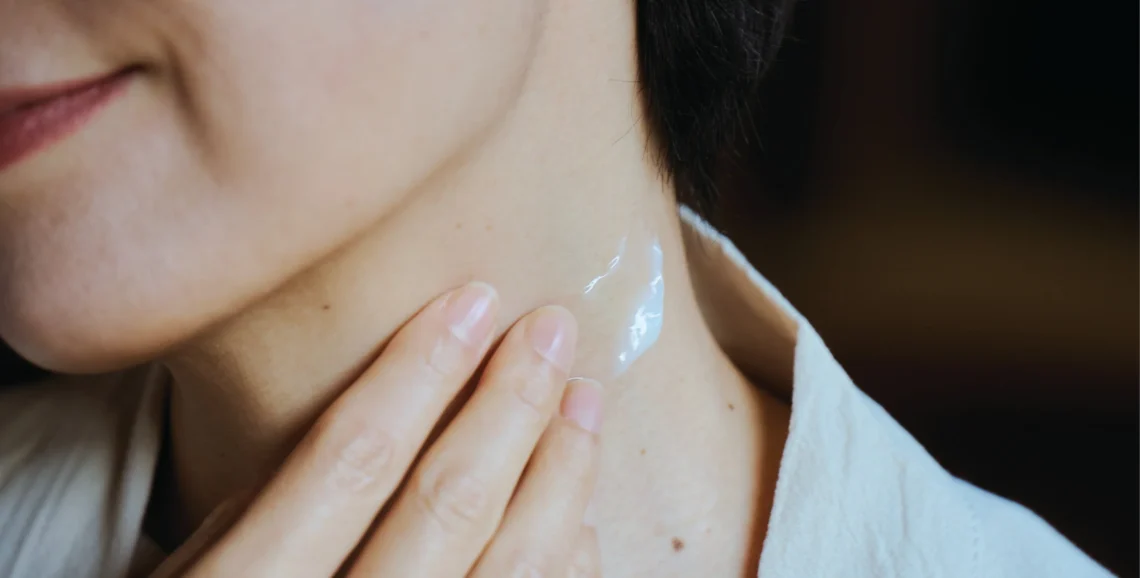
Simple J-Beauty Practice to Try: After cleansing, apply a hydrating toner by pouring it into your palms, warming it briefly, then pressing it gently into your skin in upward motions. Repeat this pressing motion three times, allowing each layer to absorb. This technique, called “millefeuille,” builds hydration without overwhelming the skin.
K-Beauty: Hydration as Foundation
While Korean beauty (K-beauty) became famous for its extensive multi-step routines, the underlying philosophy is profoundly simple: deeply hydrated skin is healthy skin. Korean skincare emphasizes consistent moisture replenishment through layers of water-based products, creating a “glass skin” effect—skin so luminous and smooth it appears almost translucent.
The famous 10-step Korean routine isn’t about using ten products daily, but rather having ten different types of products available to customize your routine based on your skin’s changing needs. The core principle is double cleansing followed by layers of hydration: essences, serums, sheet masks, and moisturizers that work together to maintain the skin’s moisture barrier.
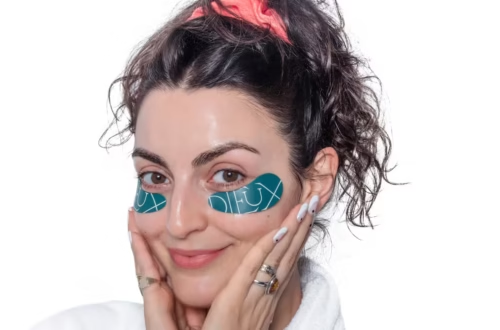
K-beauty also introduced the concept of skincare as self-care ritual rather than chore. Sheet masks aren’t just treatments—they’re opportunities to pause, relax, and dedicate time to yourself. This mindset shift transforms skincare from a task into a treasured daily practice.
DIY K-Beauty Treatment: Create a hydrating essence by mixing equal parts rose water and glycerin. After cleansing, pat this mixture into your skin, allowing it to absorb fully. Follow with your regular moisturizer. This simple two-ingredient essence provides intense hydration and prepares skin to absorb subsequent products.
Ayurvedic Beauty: Balance from Within
India’s 5,000-year-old Ayurvedic tradition approaches skincare holistically, understanding that external beauty reflects internal health. Ayurveda categorizes individuals into three doshas (Vata, Pitta, Kapha)—each requiring different skincare approaches based on their unique constitution and imbalances.
Ayurvedic skincare emphasizes natural ingredients found in nature: turmeric for its anti-inflammatory and brightening properties, neem for purification, sandalwood for cooling and calming, and countless oils chosen based on individual needs. These ingredients aren’t just topically beneficial—they’re often consumed internally as well, reinforcing the connection between inner health and outer radiance.
The Ayurvedic approach also includes facial massage techniques like Abhyanga (self-massage with warm oil), which stimulates circulation, promotes lymphatic drainage, and creates a moment of meditation. This practice recognizes that skincare isn’t merely about applying products, but about the loving attention we give ourselves.
Traditional Turmeric Mask Recipe: Mix one teaspoon of turmeric powder with two teaspoons of chickpea flour (besan) and enough milk, yogurt, or honey to form a paste. Apply to clean skin, leave for 10-15 minutes, then rinse with warm water. This traditional “ubtan” mask has been used for centuries to brighten, exfoliate, and even skin tone. Note: turmeric can temporarily stain fair skin—test on a small area first and reduce turmeric if concerned.
French Beauty: Strategic Simplicity
The French approach to skincare epitomizes effortless elegance through strategic simplicity. Rather than layering numerous products, French beauty philosophy focuses on choosing the right high-quality products for your specific needs and using them consistently. This approach values curated routines over elaborate ones, believing that over-treating skin can be as problematic as neglecting it.
French women traditionally emphasize three key practices: thorough but gentle cleansing (often with micellar water), diligent sun protection, and regular professional treatments like facials. They’re famously skeptical of trendy ingredients, instead trusting dermatologically-tested formulas and time-proven actives.
Perhaps most importantly, French beauty culture embraces natural aging, focusing on healthy, well-maintained skin rather than chasing impossible standards of perfection. The goal isn’t to look twenty forever, but to look like the best version of yourself at every age.
French Pharmacy Staple: Keep your routine simple but effective. Cleanse with micellar water (which cleanses without stripping), apply a vitamin C serum in the morning, use retinol at night, and never skip sunscreen. This four-product routine addresses most skincare concerns without overwhelming the skin.
Creating Your Global-Inspired Ritual
The beauty of these worldwide traditions is that they’re not mutually exclusive. You can incorporate elements from different cultures to create a personalized ritual that resonates with your lifestyle and values. Perhaps you adopt J-beauty’s gentle layering technique, incorporate Ayurvedic facial massage, and embrace French strategic simplicity in product selection.
The common thread across all these traditions is intentionality. Whether your routine takes five minutes or fifty, the key is approaching it with presence and consistency. Skincare becomes not just about achieving better skin, but about creating daily moments of self-care and connection.
In our fast-paced, product-saturated world, these ancient wisdom traditions remind us that beautiful skin doesn’t require complicated solutions or expensive products. It requires patience, consistency, and the understanding that caring for our skin is ultimately an act of caring for ourselves—a daily ritual of respect, presence, and love.